Thursday, November 2, 2017

Projekt: Von A bis Z (T)


After a month's pause, I am ready to conquer this Projekt - A bis Z.  Hopefully interrupted with a few holiday posts ... but here we go again:  Der Buchstabe "T"


This is a brainstorm of all things "T" auf Deutsch that I can think of ... feel free to add your own vocabulary.

Animals:  der Tiger (tiger), die Taube (pigeon), der Tausendfüsser (literally "thousand feeter" - centipede), der Tintenfisch (literally "ink fish" - octopus)

Food:  der Tee (tea), die Torte (the cake/tart), der Tunfisch (tuna fish)

Common Names:  Tanja, Thomas, Thorsten (Torsten), Theodor, Theodora

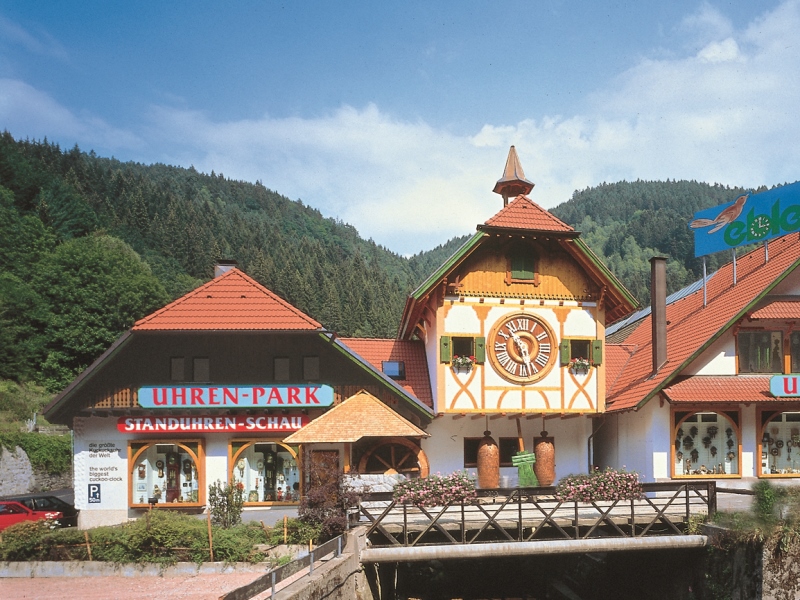
Cities:  Trier, Triberg (in the Black Forest)


Verbs:  trinken (to drink), trauern (to mourn), träumen (to dream), tanzen (to dance)

Words you may recognize:  der Traktor (tractor), die Tante (aunt)

German companies/brands:  Tchibo (retail, coffee) <<< a favorite of my Oma's!; T-mobile (telecommunications)


Monday, October 16, 2017

Der Putz & Der Meister

Recently, while driving to work, I came to a stop behind this vehicle at a traffic light:


A vehicle's trailer doesn't get more German than when it states it is the Putzmeister.  
So, what exactly, does this attachment do?  Let's break it down:

Putz in this incidence is not a Yiddish slang term.  It means "plaster"; and this trailer is a concrete pump.  Putzmeister is a German company, founded in 1958 with at least 500 employees working for Putzmeister America.  

Meister is the term used for a skilled master.  This term can be used for a foreman or a boss or a champion.  For example, the winners of the soccer World Cup are the Weltmeister (the world masters).  The leader of an orchestra or choir is the Kapellmeister.  Der Meisterbäcker is the "master" baker; and der Meisterschreiner is the "master" carpenter.  A craftsman apprentice works for and strives to be a Meister.  

Germans also call "the old Masters" die alte Meister.  These are the European painters, such as Rembrandt, who worked prior to 1800.

Meister can also be a title - showing respect to the wise Master.  German fables introduce us to the characters of Meister Lampe (a rabbit), Meister Grimbart (a badger), Meister Petz (a bear), and Meister Graubein (a wolf) who all have lessons to teach us.  


And now that we've had a thorough description of MEISTER, let's go back to PUTZ.   There is another aspect:  putzen - a verb.  It means to clean, to scrub, to brush, to polish, or to wipe.  

Schuhputz is shoe polish ... Putzmittel is a cleaning agent ... a Putzlappen is a cleaning cloth.  

Many a Hausfrau feels like a Putzfrau (cleaning lady) ... and often might wish for a Putzfee (a cleaning fairy)!


Confused?  Don't worry!  There is a German saying:  Übung macht den Meister!  
This means:  Practice makes the master.  


Monday, October 2, 2017

Projekt: Von A bis Z (S)

I am still determined to blog all the way through the alphabet AUF DEUTSCH - Just a few letters to go, and today it is "S" - an easy one!  :)   Can you think of any other words to add?


Animals:  die Schlange (the snake), das Schaf (the sheep), die Schnecke (the snail), die Schildkröte (the turtle)das Schwein (the pig), *Stachelschwein (porcupine)

VOCAB TIDBIT:
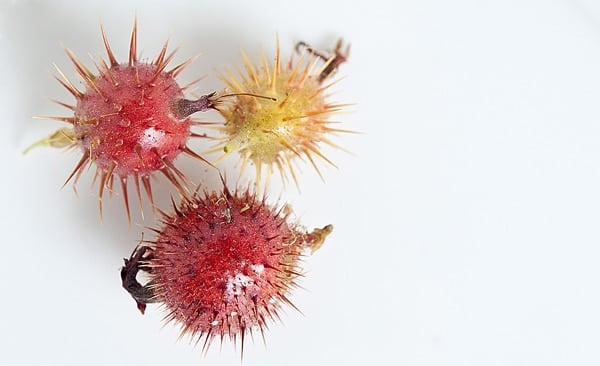
*Stachel+schwein - literally means "thorn" or quilled pig


Food:  Schnitzel (veal or pork cutlet), Schinken (ham), Suppe (soup), Spätzle (German noodles), Spargel (asparagus), Sauerbraten (roast),  **Stachelbeere (gooseberry)

VOCAB TIDBIT:
*Stachel+beere - literally means "thorn" berry


Common Names:  Stephanie, Stefanie, Stefan, Susanne, Sabine, Sascha, Simone, Simon, Siegfried, Siegrid, Sieglinde, Sebastian, Seppl or Seppel (nickname for Joseph)

Cities:  Siegen, Selingenstadt, Stuttgart, Saarbrücken

Verbs:  singen (to sing), suchen (to seek), studieren (to study), schenken (to give - a gift)

Words you might recognize:  Sieg!  (Victory!), Schule (school), Sohn (son), Samstag & Sontag (Saturday & Sunday), Sauerkraut

German companies/brands:  Siemens (electronics), SIG Sauer (firearms), Schwarzkopf (cosmetics, hair products), Stihl (tools), Storck (candy), Spiegel (media)


Friday, September 15, 2017

Projekt: Von A bis Z (R)

Finally!  An easier letter to blog about!!  I am continuing my posts to blog through the alphabet "auf Deutsch".

Today I am brainstorming through all things "R":


Foods:  Rotkohl (red cabbage), Rosenkohl (brussel sprouts - literally rose cabbage), Radieschen (radishes), Rindfleisch (beef)

VOCAB TIDBIT:
Blumenkohl (literally flower cabbage) is cauliflower.   Kohlrabi is the same in German and English.  Just some cabbage trivia!


Animals:  die Ratte (rat), der Rabe (the raven)

Common Names:  Renate, Reinhart, Reiner, Ralf, Regina,

Cities:  Regensburg, Ravensburg


Words you might recognize:  der Ring (the ring), Reis (rice)

Verbs:  riechen (to smell); reichen (to reach), rauchen (to smoke), reiben (to rub)

German brands/companies:  REWE (retail, grocery), Ravensburger (toys, games, puzzles)


From the Ravensburger website:

The perfect fit with Ravensburger Puzzles

Since 1891 we've been making the world's finest puzzles in Ravensburg, Germany. Our attention to detail has made Ravensburger the world's greatest puzzle brand! We use an exclusively developed, extra-thick cardboard combined with our fine, linen-structured paper to create a glare-free puzzle image for a quality you can see and feel. Our steel cutting tools are designed and crafted by hand. This ensures that no two pieces are alike and guarantees a perfect interlocking fit. Enjoy Ravensburger quality with this family-friendly activity today!


Sunday, September 3, 2017

Projekt: Von A bis Z (Q)

I have been dreading this one:  blogging all things German with the letter Q.....  It is not a commonly used letter auf Deutsch.


Foods:  Quark (a yogurt/cottage cheese style soft dairy product, which is finally reaching the United States); Quitte (Quince fruit - which is a pear-apple type fruit)

Animals:  Qualle (jellyfish)

Common Names:  NONE that I could find

Cities:  Quackenbrück, Querfurt, Quierscheid

Words you might recognize:  none that I can think of!

Verbs: *quetschen (to squeeze); quietschen (to squeek)

German companies/brands:  Quelle (a catalog retailer)

VOCAB TIDBIT
An accordion is sometimes called a "squeeze box" in English.  In German, it is called a Quetschenkommode  (a Kommode is a piece of furniture like a wardrobe).  It is also called a Akkordeon and a Ziehharmonika (ziehen is the verb "to pull" and harmonika is harmonica.)